Friday, 10 April 2015

How to perform Salah/ Namaz/ prayers as per Shia Islam

In Shia Islam 2 Rakaah/cycles Salaah/ Namaaz/ prayer is basic standard form of prayers. Among Waajib/ obligatory prayers Fajr/ pre dawn prayers consist of 2 Rakaah/ cycles of prayers. A set of different actions and recitations associated with it makes 1 rakaa/ cycle. In Shia Islam major actions of salaah include Qiyaam/ standing, Ruku/ bowing, Qunut/ supplication, Sajda/ prostration, Jalsa/ sitting and Rafa-Yadain/ raising hands.

In Shia Islam major recitations associated with above actions are Takbiir/ declaring Allah/ God’s Greatness by saying ‘Allahu Akbar/ God is Great, Qirat/ recitation of chapters of Holy Qur’an, Qunut/ making supplication, Zikr/ Tasbiih/ declaring Allah/ God’s praises, Tashahud/ declaration of faith and Tasliim/Salaam/ Salutations on Prophet Mohammed and his house-hold. Qirat/ recitation include Surah Faatiha (Opening, 1st Surah/ chapter of Holy Qur’an, consisting of seven Aayat/ verses) and any other complete surah/ chapters of Holy Qur’an. Unlike other sects where recitations of mere three aayat/ verses of Holy Qur’an could be recited, Shia Islam require recitation of complete surah/ chapter of Holy Qur’an no matter whether lengthy one or short one but it should be complete.

In Shia Islam 2 rakaah/ cycle standard prayer is as follow:


One who intends to perform salaah should stands facing Qibla/ the epi-centre of worship, makes an intention in mind about the specific prayer solely to worship Allah/ God.

Then one raises hands with palms open they too facing Qibla up to ear’s level. When one does this one audibly says ‘Allahu Akbar/ God is Great’, as called ‘Takbir’. Now, one has started to perform salaah and cannot do other things until one completes, else salaah will be void.


After the above step, in Shia Islam one let one’s hands hanging loose as in natural normal standing position. This action is called Qiyam/ standing. Non-Shia sects usually fold their hands on chest, stomach or navel, but in Shia Islam hands are left loose to hang. This action is major difference between Shia salaah and Non-Shia salaah. During Qiyam/ standing one recites Surah Faatiha (Opening, 1st Surah/ chapter of Holy Qur’an, consisting of seven Aayat/ verses). Shia Islam requires one to recite ‘Bismillah..../ In the name of God....’ audibly, and as first verse of the said chapter. Non-Shia sect do not consider ‘Bismillah..../ In the name of God....’ as a verse of the said chapter rather split the last verse into two to make the number count seven. After the recitation of Surah Faatiha Shia Islam recommends to audibly uttering this phrase ‘Alhamdulillah/ Praises be to God’, at chapter’s end Shia Muslims dont utter ‘Aamin’ unlike Non-Shia who utter it.

After Faatiha, Shia Islam requires one to recite any atleast one additional chapter of Holy Qur’an, but Shia Islam require complete recitation of that chapter. Here too Shia Islam separates itself from others because Non-Shia require minimum of any three verses of Holy Qur’an. Also, here too ‘Bismillah..../ In the name of God....’ is audibly recited as a verse of chapter. With this Qirat is complete.


Next action is Ruku/ Bowing, before bowing Shia Islam requires to utter ‘Allahu Akbar/ God is Great’ and do Rafa-yadain/ raise hands. One bends one’s self and place palms on the knees yet keep the back as straight as possible. During this step one can recite either 'Subhaan Rabbi al Aziime wa bi hamd/ Glory be to my Lord the High and I praise Him’ once or one can simply recite ‘Subhaan Allah/ Glory be to God’ thrice

After this one stands straight again and recite ‘Sami Allahu liman Hamida/ God hears one who praises Him’


Now, Ruku is complete and one has to go to Sajda/ prostrations, which is allowed only on permissible stuffs like mud etc. Before going to prostration once again one does Rafa-Yadain/ raise hands and utter ‘Allahu Akbar/ God is Great’, then one puts palms first on the ground and later knees, then one proceeds to put forehead on ground. So in total seven parts i.e. both larger toes of legs, both knees, both palms and forehead is placed on ground, women should place their hands up to elbows on ground. During this step one recite ‘Subhaan Rabbi al A’ala wa bi Hamd/ Glory be to my Lord the Supreme and I praise Him’ once or one can simply recite ‘Subhaan Allah/ Glory be to God’ thrice.


One gets up to sitting position and does Rafa-Yadain/ raise hands and Recites ‘Allahu Akbar/ God is Great’, one sits with palms on thighs, sitting such that right upper foot should rest on sole of left foot. After momentarily sitting, one does raise hands and recite 'Allahu Akbar’ once again and proceeds of second prostration, same as first sajda and again get up saying ‘Allahu Akbar’ and raising hands. This action completes one’s first rakaa/ cycle.


After sitting momentarily one places both palms on ground and gets up first lifting knees and then palms, while trying to stand one recites ‘Bi haw lillaahi wa quwwatihi aqumu wa aq’ud/ I sit and stand with the help of the strength of God’.

One begins second rakaah/ cycle by recitation of Surah Faatiha and repeats the same procedure but after Surah Faatiha any other chapter other than recited in first rakaah/ cycle is recited. One has to follow the same procedure except a slight change that in Second rakah/ cycle before going to Ruku/ bowing one does Qunut/ supplication in Shia Islam.


For performing Qunut/ supplication once again one does raise hands and recite ‘Allahu Akbar’ momentarily let hands to hang loose and then once again raise them such that palms face sky/ roof and are at face level and begin to supplicate. This is the only action when one is free to seek what one desires that too in one’s own language. Preferably, any Qur’anic (Qunut) supplications are used. After it one proceeds for ruku/ bowing with yet another raising hands and ‘Allahu Akbar’, and then Sajda/ prostrations after Ruku/ Bowing.

Procedure remains same as in first rakaah/ cycle, but after second sajda/prostration of second rakaah/cycle when one sits one begins Tashahud/ Declaration of Faith. Shia Muslims do not raise or rotate index finger while Tashahud which is done by Non-Shia.

Many Shia Muslims consider to recite additional Third Tashahud followed by aforesaid Tashahud as required, while other Shia Muslims consider it not allowed during salaah, it depends on which teaching one follows.

After Tashahud one proceeds to recite Taslim/ Salaam/ Salutations. After this one instantly does Rafa-Yadain/ Raise hands three times each time uttering ‘Allahu Akbar/ God is Great’ with this final action and recitation one’s 2 cycle salaah is complete and one exits from it.


If one intends to perform three rakaah/ cycle prayers, one should not recite Taslim/Salaam/ Salutations after Tashahud, and should get up as one got up for second Rakaah/cycle. Now, either one stands momentarily without reciting anything or one recites just Surah Fatiha without an additional chapter, or yet as a third option one recites Tasbihaat Al Arba/ The four praises thrice. Any of the three options will suffice; other later procedure is same as first rakaah/ cycle’s, after sajda/prostrations recite Tashahud and Taslim/ Salam/ Salutations to end the prayer.

If one intends to perform four rakaah/ cycle prayers, one should neither recite Tashahud nor Taslim/Salaam/ Salutations after third rakaah/ cycle’s Sajda/ prostrations, and should get up as one got up for second Rakaah/ cycle. Here too, either one stands momentarily without reciting anything or one recites just Surah Fatiha without an additional chapter, or yet as a third option one recites
Tasbihaat Al Arba/ The four praises thrice Here too any of the three options will suffice, other later procedure is same as first rakaah/ cycle’s, after sajda/prostrations recite Tashahud and Taslim/ Salam/ Salutations to end the prayer.

Back to: Salah/ Namaz/ Prayers in Shia Islam


Oh Allah! Peace and Salutation be upon Mohammed and House-hold of Mohammed. 


Salah/ Namaz/ Prayers in Shia Islam

Salaah/ Namaaz/ Prayer is first among Fur'u Deen/ Branches of Faith in Shia Islam. Salaah is performed in sets of 2, 3, 4 sets of rakaah/ cycles. A number of actions and recitations consist of one rakaah/ cycle. Depending on which salaah is being performed 2, 3 or 4 number of rakaah/ cycles are repeated to complete specific salaah.

Actions in a rakaah/ cycle include Qiyaam/ Standing, Ruku/ Bowing, Sajda/ Prostration, Jalsa/ Sitting, Qunut/ Supplication, Rafa Yadain/ Hand Raising. Each action has a recitation associated with it, thus when particular action is being performed an associated recitation is recited. Only Arabic language is used for recitations, major recitations are chapters of Holy Qur’an.

There are several pre-requisites and other requirements to perform salaah without which salaah is invalid. Both minor and major Tahaarah/ Spiritual purity is required when one performs salaah. Niyyah/ Intention solely for worship of Allah/ God is required for salaah. Required body parts should remain covered when one performs salaah i.e. from navel to knees for men and whole body for women except for face, hands below wrists and foots below ankles.

One must face Qibla/ Epi-centre of worship, which is the Ka’ba situated in Masjid al Haram/ The Holy Mosque, Mecca, Saudi Arabia. Specified time/ condition should have set in for one to perform particular salaah. When one starts the salaah one is forbidden to talk, move (except for required actions), laugh, turn face, eat, drink, and look around etc till one completes the salaah.

In Shia Islam salaah cannot be performed with najis/ spiritually impure clothes or at dirty places. Shia Islam also requires permission to perform salaah from land owner without which salaah is invalid in Shia Islam. Shia Islam does not allow salaah to be performed at such places which obstruct walking or traffic ie roads, streets; any usurped land or graveyard. In Shia Islam men are as usual forbidden to wear silk or gold, yet if a man performs salaah wearing gold or silk his salaah becomes invalid.

Shia Islam does not promote salaah as best exercise, best workout, best weight losing technique, best aerobics, best stretching, best solution for knee problems/ blood pressure/ diabetes etc, best exercise to let blood reach several so claimed isolated regions of brain. Shia Islam also does not promote salaah as best solution to deal with mental stress, finances, insomnia etc, there are several Non-Shia sects which promote Salaah as having aforesaid benefits, Shia Islam consider such ideas as stupidity and consider it to invalidate one’s salaah, sole niyyah/ intention for salaah in Shia Islam should be worship of Allah/ God, the moment intentions include anything else it will not be deemed as worship and thus salaah becomes only prayer-less actions. Shia Islam thus require one to do enough of exercise, workout, aerobics etc if one really desires so, but when the person performs salaah it should be solely worship!

In Shia Islam there are several Waajib/ obligatory salaah, some others are Mustahab/ recommended while yet some others are Nafila/ extra prayers, although even mustahab/ recommended prayers are performed as extra and not obligatory. Waajib/ obligatory salaah include five daily prayers, salaat ul Janaza/ funeral prayers, salaat ul Aayat/ prayers when several of celestial/natural phenomena occur ie: solar & lunar eclipses, earthquakes, cyclones etc. 


Wajib/ obligatory salaah are better to be offered in congregation, which is preceded by 'Azaan/Call for Prayers' and 'Iqaama/ Set up for Prayers'.

There are several prayers in Shia Islam which during occultation of current 12th Imam Mohammed Mahdi have become Mustahab/ recommended from Wajib/ obligatory, these are Eid/ festival and Jum’a/ Friday prayers. Other Mustahab/ recommended and Nafila/ extra prayers are performed in addition with daily prayers.

The five daily salaah in Shia Islam are Fajr/ pre-dawn, Zuhr/ afternoon, Asr/ evening, Maghrib/ sunset and Isha/ night. Of these salaah Fajr/ pre-dawn consist of 2 rakaah/ cycles, Zuhr/ afternoon consist of 4 cycles, Asr/ evening consist of 4 cycles, Maghrib/ sunset consist of 3 cycles and Isha/ night consist of 4 cycles. Salaat tul Aayat/Eclipse etc, Salaatul Jum’a/ friday, Salaatul Eid/ festival prayers consist of 2 cycles. In Shia Islam these five daily prayers are performed at three times by performing Zuhr/ afternoon and Asr/ evening prayers in one go, and Maghrib/ sunset and Isha/ night prayers in one go.

Taahajjud/ Salatul Layl/ Extra Night prayers are Mustahab/ recommended prayers consisting 11 cycles. In Shia Islam Mustahab/ recommended prayers no matter how many rakaah/ cycles, are offered in sets of 2 rakaah/cycles. One exception here is that Salatul Layl whose eleventh the final rakaah/cycle is offered as 1 rakaah/cycle, this particular one is known as 'Witr', it is most important among recommended prayers. Even Nafila/ extra prayers are offered in sets of 2 rakaah/cycles. Salaatul Aayat/ eclipses etc, Jum’a (Friday) earthquakes, cyclones etc, Salatul Eid/ Festival prayers too consist of 2 cycles.

In Shia Islam just before sunrise when sun light spreads Fajr is performed. When sun starts to decline from topmost horizon Zuhr is performed followed by Asr, when sunset is complete Maghrib is performed followed by Isha. One can perform Zuhr & Asr right up to beginning of sunset, also Maghrib and Isha right up to midnight although in sequence. Taahajjud/ Salatul Layl/ Extra Night prayers are are performed after midnight. If one misses obligatory Salaah one can make them up later on as Qaza/ postponed.

In Shia Islam a person who is on journey must Qasr/ shortens one’s prayer that is all four rakaah / cycle prayers should be offered as two cycle’s prayers. Obligatory prayers are better to be performed in Jam’aat/ congregation although Furaada/ individually performed prayers would still remain valid. One who cannot stand should perform his salaah in seated position and so on and on. Several mistakes in Salaah require one to perform two extra sajda/ prostration at end of salaah. Several doubts in salaah require one to repeat the salaah while other doubts are to be ignored.


In Shia Islam Sajda/ prostrations is performed only upon permissible stuffs like natural mud, clay, sand, bed rock, ground, grass, marble, granite etc anything which is natural and is not used in food or clothing, thus prostration cannot be performed on cloths, edible leaves, also it cannot be performed on metals. Shia Muslims usually prefer Turba/ mud from holy places like Mecca, Madina, Karbala, Najaf, Jerusalem etc. Commonly used mud is from Karbala formed as discs or tiles and placed at location of prostration. It is preferred but not a necessity, Shia Islam considers Karbala mud as very holy due to the fact that 3rd Imam Husain along with others was martyred there.

Another issue with salaah is if someone crosses in front of person performing salaah, in Shia Islam such crossing has no effect on salaah of the person, neither it becomes void nor any other issue arises, the person performing Salaah according to Shia Islam has nothing to worry, unlike other Non-Shia where their salaah becomes void.


Shia Islam considers it Haraam/ forbidden to perform certain Bid'ah/innovated prayers like Taraveeh and Chaast/Duha which are mandatorily offered by Non-Shia Muslims.
  

Here is 'How to perform Salah/ Namaz/ Prayers as per Shia Islam'

Oh Allah! Peace and Salutation be upon Mohammed and House-hold of Mohammed.


Wednesday, 25 February 2015

Shia Islam denies incest among Adam’s children!

Topic 37:

Shia Islam straight forward deny the myth that sons of Adam married their sisters, had incest with them and this was how the human generation progressed.

Creation myth states that because there was no other possibility for Adam (Aadam) and Eve’s (Hawwa) sons and daughters to beget next generation, God legalised marriages between brothers and sisters, this surely is incest! This above creation myth is also a faith in Sunni Islam and other Abrahamic religions as well; surely, these myths entered Sunni Islam from Hebrew sources. This belief of Sunni Islam that sons of Adam married their own sisters to reproduce the next human generation stands denied in Shia Islam.

Shia Islam is based on preaching of infallibles; the Prophet Mohammed and 12 Imams (Aimmah), who take knowledge directly from All Comprehending (Al Aalim) God (Allah), thus necessity to manufacture myths when no solutions are found, like in this case, doesn’t arise.


Shia Islam became a complete religion by the announcement of Prophet Mohammed, he gave us Holy Qur’an as a divine guide for humanity, and he also left a series of divinely appointed interpreters of this divine guidance, the series of 12 Imams (Aimmah) of Shia Islam. Sunni Islam lacks this divinely appointed series of 12 Imams (Aimmah) and thus doors of interpretations are open for worldly appointed so called scholars, who either put their own understandings or borrow from Hebrew sources. Incest of sons of Adam with their sisters to beget next human generation is perfect example of it.

12 Imams (Aimmah) of Shia Islam have clearly rejected any such notion. Most famous instance is when 6th Shia Imam Ja’far Sadiq was asked about it, he was asked that, did the sons of Adam married their sisters, which is core belief of Sunni Islam, the only precaution was that the sister should not be twin of her brother? To this 6th Shia Imam Ja’far Sadiq reacted sternly and said that, do people consider Omnipotent (Qaadir) Creator (Khaaliq) to be so cheap that He would ever allow a brother to marry his sister? He denied, because this belief was based on incest. Incest is Haraam (Forbidden) in Shia Islam, and to attribute incest with God’s (Allah) approval is disgusting.

To commit incest with one’s mother, even step mother is equally disgusting as committing incest with one’s sister, even a step sister. Thus, for those who put and believe this myth how could they say there was no other woman available? This is a big question which must be answered before believing any myth. Another question is whether initially was there any woman available for Adam to make children with? No, yet, God (Allah) made Eve (Hawwa) for Adam, with whom he can make babies. Now later on, how can this Omnipotent (Qaadir) Creator (Khaaliq) become so powerless to allow incest for children of Adam?

Prophet Mohammed and 12 Shia Imams (Aimmah) have preached that God (Allah) created Adam (Aadam) and for him Eve (Hawwa) was created, just like that, God (Allah) created spouses for children of Adam to marry with and to reproduce with. Incest is a grievous sin in Shia Islam, thus, how can a sin ever had been a necessity? God (Allah) dislikes incest now, why did He who is Omnipotent (Qaadir) Creator (Khaaliq) left no other option for human and allowed what he dislikes now?

Shia Islam preaches Adam was first prophet of God, thus according to Shia Islam he was infallible, Adam’s famous son Seth (Shiis) was also a prophet of God and thus infallible, thus to opine that prophet of God can commit such things as incest is absurd from Shia Islamic view. Adam’s race was to have prophets of God, including Prophet Mohammed and 12 Imams (Aimmah), how can such a race ever have incest as its source? Thus Shia Islam is in complete denial of such beliefs.

An instance in front of Muslims is that holy lady Mary (Marium), she became mother without the agency of a father, although, there at that time were a lot of men who could have fathered Jesus Christ (Isa Masih), yet Mary (Marium) became mother without any father for her child, this immaculate conception was power of Omnipotent (Qaadir) Creator (Khaliq) when even dire need was not there, how could He become so powerless at times of children of Adam? Mary (Marium) was an infallible lady and according to Shia Islam only an infallible man can become her husband, no such man was there who could marry her, thus, God (Allah) made her a mother through Immaculate Conception. This same God (Allah) who made Mary (Marium) a mother without the agency of a father, the same God (Allah) who had made Eve (Hawwa) for Adam, the same God (Allah) who had made Adam out of earth was capable to make spouses for children of Adam, this is the belief of Shia Islam. This belief is also one of such beliefs which differentiates Shia Islam from Sunni Islam.

To conclude, Shia Islam denies incest among Adam’s children to make babies, while Sunni Islam believes that the sons of Adam married their own sister and made babies with them.

Oh Allah! Peace and Salutation be upon Mohammed and House-hold of Mohammed.

Saturday, 9 August 2014

Laylat Ul Qadr In Shia Islam

Topic 36:


Holy Qur’an talks about it in the chapter by the very name ‘Qadr’, it says:


0 Bismillah ir Rahman ir Rahim 
In the name of Allah/ God the Gracious the Merciful
1 Inna anzalna hu fii Laylat il Qadr
Surely, We revealed it in the Night of Authority
2 Wa maa adraaka maa Laylat ul Qadr
And what to explain, what the Night of Authority is!
3 Laylat ul Qadri khairu min alfi shahr
Night of Authority is better than a thousand month
4 Tanazzul ul malaaikatu wa Ruhu fiha bi izni Rabbihim min kulli amr
In it descends the angels and the Ruh/ Spirit with permission of Lord, for all affairs
5 Salaamun hiya hatta matlayi il fajr
In it is Peace till the dawn
‘Qadr’ is an Arabic word which could be roughly translated to authority, power, decree, ordinance, measure etc. Laylat ul Qadr or the Night of Authority is very auspicious and important night in the Islamic calender.
The above chapter states that, ‘Surely, We revealed it in the Night of Authority’, this verse describes the event of cave of Hira. Shia Islam preaches prophets and Imams/ Aimmah or divinely appointed leaders are born with that statuses and are never made so in later part of their life. They only commence their offices and declare their statuses to public, later by Divine orders.
Major difference between Shia and Sunni is that Sunni believe Prophet Mohammed was not a prophet till the age of forty, at that age Allah/ God made him a prophet, he himself did not knew what was conferred upon him and it was his wife Khadija’s cousin Waraqa son of Naufil (Judeo-Christian scholar) who told the couple that ‘Mohammed’ was no more a normal human, rather was appointed as a prophet. Shia Islam rubbishes all such claims; Shia Islam preaches whether Prophet Mohammed or any other prophet, all were born as prophets.
Shia Islam preaches Prophet Mohammed very well knew that he was the last messenger and final prophet right from the very beginning. He however awaited the Divine orders so that he could declare his mission to the people. Prophet Mohammed (aged forty years) used to recluse himself inside a cave ‘Hira’ in the mount ‘Noor’ nearby Makkah, he used to spend days and days over there and would then take break, return back to home, only to one again go back for recluse in ‘Hira’.
It was here on 23rd night of month of Ramadan that Archangel Jibril (Gabriel) appeared to Prophet Mohammed and informed him about the Divine orders of Allah (God) that were to declare latter’s prophet-hood and messenger-ship. As per Shia Islam Prophet Mohammed was eagerly awaiting for these Divine orders, Shia Islam preaches Prophet Mohammed never trembled with fear as Sunni claim, it is a major difference between Shia and Sunni.
The event continued and Allah/ God revealed Holy Qur’an upon Prophet Mohammed through Archangel Jibril/ Gabriel. It is exactly this, the verse is describing about by ‘Surely, We revealed it in the Night of Authority’. Shia Islam preaches whole of Holy Quran was all at once revealed upon Prophet Mohammed right there in the cave of Hira, this belief is in contrast with Sunni who believe that only little bit from Holy Qur’an was revealed upon him inside the cave.
Sunni claim Archangel Jibril/ Gabriel asked the to be prophet Mohammed who was an Ummi/illiterate to read, at which the latter said, “I can’t read” this happened for three times when finally Archangel Jibril/ Gabriel squeezed the to be prophet Mohammed while giving him a hug, and thenceforth revealed only first five verses of chapter ‘Iqra’/ Read, this event trembled the latter. Shia Islam deny such beliefs and rather preaches Prophet Mohammed had always been a prophet and was very much a literate, he eagerly received Archangel Jibril/ Gabriel.
Sunni believe that rather Archangel Jibril/ Gabriel bought down Holy Qur’an and revealed it on the lowest sky in the Night of Authority and from lowest sky used to bring little by little and reveal it upon Prophet Mohammed for whole 23 years.
Shia Islam denies such beliefs and claim whole of Holy Quran was all at once, inside the cave of Hira, was revealed upon Prophet Mohammed. Prophet Mohammed preached it as much needed to the people that too by Divine orders; it was this preaching which took 23 years. Shia Islam believe people were not on par with the level of a prophet, their minds could never have grasped the Holy Qur’an in its entirety all at once, thus, practically as the situations demanded Prophet Mohammed on Divine orders preached the required portions to people, which took 23 years.
Since this Night of Authority is most important night of the year, Muslims are advised to spend it in prayers. Sunni Muslims do not know the exact night of Laylat ul Qadr/ the Night of authority, thus Sunni try to search it in last part of Month of Ramadan in odd nights (ie: 21st, 23rd, 25th, 27th and 29th). Sunni believes most chances are that it is 27th night.

Shia Islam possesses several Ahaadith/ Hadith/ narations from Prophet Mohammed and later 12 Imams (Aimmah), these Ahaadith/ narrations states that 23rd night of Ramadan is Laylat ul Qadr. Thus, Shia Muslims do not first search and then spend it in prayers, since Shia Islam states 23rd Ramadan is Laylat ul Qadr/ the Night of Authority they don’t need to search. Shia Islam preaches to spend the night in deep prayers.
Thus, another major difference between Shia and Sunni is that Shia are sure about 23rd Ramadan as Laylat ul Qadr, Sunni must search it out from 5 nights relying on signs of that night. Shia Islam however, advises to spend preceding 19th and 21st night in same manner, as a prerequisite.


Another reason why Shia Islam has special significance for 19th and 21st night is because those dates are mourning dates. As first Shia Imam Ali Murtada cousin brother as well as son in law of Prophet Mohammed was stabbed with poisoned sword, on back of neck, while he was in prostration in the morning of 19th Ramadan. He became a martyr as result of wound on morning of 21st Ramadan. Shia all around the world lament, cry and mourn the preceding two nights prior to 23rd Ramadan.

‘And what to explain, what the Night of Authority is!’ this verse clarifies that human mind could never comprehend the divine and spiritual aspects of this night. Thus, Allah (God) explains its position in terms of human intellect and understanding capability by the following verse, ‘Night of Authority is better than a thousand months’. A single night of Laylat ul Qadr/ Night of Authority spent in worship and prayers would be spiritually much better than thousand months if those thousand months too would be spent in worship and prayers.
‘In it decends the angels and the Ruh/ Spirit with permission of Lord, for all affairs’, the verse clarifies the event of Laylat ul Qadr / Night of Authority, one can imagine how spiritual it would be when numerous angels descend upon the earth. The verse specifies a Ruh which too descend along with angels, a lot of people believe there are a lot of spirits which too descend along with angels, but the verse uses Ruh (singular) and not Arwaah (plural), thus it is stupidity to consider numerous spirits, it is just one Spirit.
Although, Archangel Jibril/ Gabriel is known by his specific name, he has other names as well. Ruh ul Amin/ Trustworthy Spirit, Ruh ul Quds/ Holy Spirit or simply Ruh/ Spirit are other titles of him. Thus, according to Shia Islam angels as whole along with one special Archangel Jibril/ Gabriel come down to Earth, with the permission of Lord, they come with kulli amr (all affairs or all ministries).
Shia Islam preaches that at all time at least one representative of Allah/ God is alive on earth; they are Hujjatullah/ Proof of Allah/ God, more precisely Ambassadors of Allah/ God. To obey them is to obey God they are infallible and thus could never lead anyone astray. Shia Islam believes Allah/ God never leave the earth without His guidance; these people are the ones who are that agency of God through which He guides His creation.
 Shia Islam preaches the concept of Imamat (Divinely appointed leadership); Holy Quran itself states that on the day of Resurrection every person would be called with his Imam (Divine leader of his/her time). Shia Islam states till Prophet Mohammed was alive he was this Hujjatullah (Proof of Allah/ God) on earth, along with being Last Prophet and Last Messenger. No more new Shariah/ Canon was to come after him, no more new Divine Books were too descend after him. Islam as completed upon Prophet Mohammed was to remain the Divine religion till the last day; Holy Quran was to remain the last Divine Book.
Shia Islam preaches that after Prophet Mohammed, Imamat (Divinely appointed leadership) begins. 12 Imams (Aimmah) the deputies of Prophet Mohammed would lead people towards Allah/ God, they would do tafsir/ interpret the Holy Quran. They would reveal Holy Quran’s divine secrets in proportion with the maturity of human intellect, they would undertake kullu amr/all affairs according to what Allah/ God wishes. Holy Quran itself asks us to Atiullah/ obey Allah and Atiur Rasul/ obey Prophet and Awli ul Amr/ Divine Ministers of affairs.
Thus, Shia Islam preaches that by Divine orders Angels along with Archangel Jibril/ Gabriel descend to whoever is Hujjatullah/ Proof of Allah/ God on earth, who is thus Wali ul Amr (Divine Minister of affairs) as well. After Prophet Mohammed, 1st Imam Ali became Hujjatullah/ Proof of Allah/ God on earth therefore he was Wali ul Amr/ Divine Ministers of affairs of his time, after him 2nd Imam and so on.
Current Hujjatullah/ Proof of Allah/ God on earth is 12th Imam Mohammed Mahdi who though alive lives in occultation. Thus on Laylat ul Qadr/ Night of Authority, Archangel Jibril/ Gabriel along with other angels come down to Wali ul Amr (Divine Minister of affairs) 12th Imam Mohammed Mahdi with all the affairs and bring divine orders for those regards.
Laylatul Qadr/ Night of Authority is such an important spiritual and Divine occasion, a Divine and Spiritual festival for human souls, to have a spiritual encounter with presence of Allah/ God. In that span believers are in worship, praying, seeking Divine forgiveness and grace. Holy Quran, thus announces ‘In it is Peace till the dawn’, this peace is divine aura which envelops a sincere believer, it continues till the dawn occurs to the believer. The believer comes out of the night as if that person was busy worshiping Allah/God since more than thousand months and Allah/ God has accepted the person’s sincere worship.
O Allah! Peace and Salutation be upon Mohammed and House-hold of Mohammed.

Thursday, 10 July 2014

Sawm/ Roza/ Fasting In Shia Islam

Topic 35:
Sawm/ Roza/ Fasting is obligatory in Shia Islam, in ninth month ‘Ramadan’ of Lunar Islamic Calendar (Hijri). Sawm/ Roza/ Fasting is second in the 'Furu Deen' or Branches of Faith. A very special night, mentioned in Holy Qur'an as 'Laylatul Qadr' occurs in Ramadan.
Fasting is obligatory in Shia Islam on sane adult Shia Muslims both men and women. However, there are people on whom fasting is not obligatory. A Musafir/ Traveller who must Qasr/ shorten his Salah/ Namaz/ Prayers cannot fast. Old age people to whom fasting causes extreme hardship are exempted from fasting. Any other person is also exempted from fasting to whom it causes extreme hardship. Any person who suffers from a disease which causes Polydipsia (suffer from excessive thirst) or under extreme hardship is exempted from fasting. Pregnant ladies are exempted from fasting. Suckling mothers whether biological mothers or suckling mothers are exempted from fasting.
Shia Muslims are required to fast from dawn, when the whiteness in the sky starts to spread (before sunrise) and continue to till redness after sunset passes the top. Holy Qur’an ask us to fast from Fajr/ Dawn up to Layl/ Night, Holy Quran did not used the word Maghrib/ Sunset as time to end the fast rather asks us to continue fasting till Night/ Layl.
The difference between Shia and Sunni Sawm/Roza/ Fasting is that Sunni end the fast with Maghrib/ Sunset, while Shia Muslims continue the fast till the Night/Layl approaches, which differ from place to place.
Niyyah/Intention is required in Shia Islam for fasting. Without Niyyah/ Intention fasting is void. In Shia Islam Niyyah/ Intention is intention in mind, thus one is not required to say it with mouth, just intending in mind is enough. Also, one is not required to make daily intentions during month of Ramadan, if one intends to fast the whole month right at the start of month, it will suffice. There will be no problem if person doesn’t observe all fasts with that Niyyah/ Intention. Taharah/ Spiritual Purity is required in Shia Islam, this is major difference between Shia Islam and other sects.
There are some Non-Shia, who preach fasting as alternate dieting. They say best dieting is fasting. If you fast you will have double benefit it will help you in dieting and also earn you divine rewards of fasting. This concept is ridiculous and stupid in Shia Islam, because intention in Shia Islam should be solely worship of Allah (God), the moment any other intention joins it like dieting etc, fasting will become null and void in Shia Islam. Thus in Shia Islam Sawm/ Roza/ Fasting is solely worship of Allah (God), for a Shia Muslim he/she is free to diet for whole other eleven months of year but when a Shia Muslim must fast in month of Ramadan etc, that is solely worship of Allah (God).
During Fasting Shia Muslim are required not to indulge into any of these nine things or acts. The person who fasts cannot eat or drink. The person who fasts cannot have sexual intercourse (mere penetration). The person who fasts cannot voluntarily ejaculate (Masturbate leading to ejaculation). The person who fasts cannot attribute any lie (false things) to Allah (God), Prophet Mohammed or Twelve Imams (Aimmah). The person who fast cannot inhale or swallow thick dust in throat (ie: smoking cigarette). The person who fasts cannot immerse his/her entire head in water. Remaining Najis/ Spiritually Impure till the time of Fajr/ Dawn prayer. The person who fasts cannot use liquid enema. Vomiting by a person who is fasting makes his/her fast void.  Doing any of these things or if any of these things happens the fast will break.
In Shia Islam, swallowing one’s saliva, salivating at smell of food, involuntary ejaculation (nocturnal emissions), pre-cum, erections in men etc doesn’t break one’s fast.
There are things which one does or happens that does not break Sawm/ Roza/ Fast in Shia Islam. Although these thing won’t break fast but are not preferred in fasting and must be avoided. The person who fasts should not use eye drops or cosmetic eye stuffs, if its taste or smell is felt inside. The person who fasts should not perform an act which causes excessive weakness, should not extract blood, or have hot bath etc. The person who fast should not snuff when one is sure it might reach throat. The person who fasts should not use stimulants for bowels. The woman who fasts should not sit immersed in water. The person who fasts should not wet one’s dress which one is wearing. The person who fast should not extract tooth or allow any other action causing bleeding in mouth. A person should not use a wet toothbrush, in Shia Islam one cannot use Miswak/ Siwak (thin branches or thin root of several trees used as tooth brush) while one is fasting, this is a major difference between Shia and Sunni. The person who fasts should not put water or any other liquid in mouth without an appropriate cause (ie: gargle). The person who fasts should not indulge in foreplay, romance, kissing etc with one’s partner without the intention of ejaculation, if intention is there fast as a precaution would be considered broken.
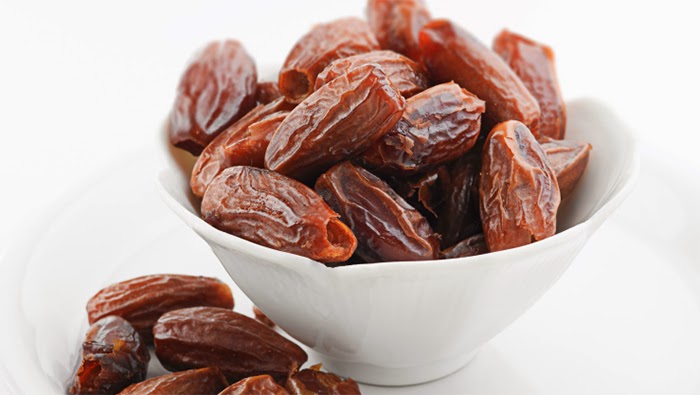
Suhur/ Sehri/ Pre-fast meal is a meal which is taken before commencing the fast, it is taken in such a manner that by the time one finishes the meal, Fajr/ Dawn, the time for commencing the fast should begin. Suhur/ Sehri/ Pre-fast meal is recommended to be eaten in last part of night, like a morning breakfast. It is not a compulsive meal but highly recommended; at least a date and water will suffice.

When Layl/ Night approaches, it is recommended to formally end the fast by date, water, salt, fruits etc. This post-fast meal is called Iftar. Iftar/ post-fast meal is recommended not to be delayed on the Layl/Night has arrived.
Both Suhur/ Sehri/ pre-fast meal and Iftar/ post-fast meal are Sunnah/ Traditions of Prophet Mohammed and are highly recommended. One is free to eat, drink, have sexual intercourse and any other legal activity forbidden during fast.
If anyone is not observing fast due to several conditions, or the fasting person breaks the fast in middle with eating, drinking or sexual intercourse etc, the person must offer Kaffarah/Compensation (ie: feeding poor), observe Qadha Fast/ Observe pending fast or both depending on conditions which varies from situation to situation, details are lengthy and thus, avoided here, as this is just a brief information.
Apart from Obligatory fasts of Ramadan, there are other preferred fasts in Shia Islam on other special days also; their details are available in Shia religious books/sites. A married woman is required to take permission of her husband for such preferred fasts. One is required to take permission of one’s father before observing such fasts, whether one is independent or not, son or daughter, except in case of married ladies. It is forbidden to observe such fasts if it causes emotional suffering to parents.
There are several days when fasting is Haram/ Forbidden or Makrooh/ Disliked in Shia Islam. The day of Eid al Fitr, Eid al Adha. A major difference between Shia and Sunni is that Shia don’t fast on Ashura (10th Moharram) while Sunni do fast on that day. Ashura (10th Moharram) is the day tragedy of Karbala (Iraq) happened, and for Shia Muslims it is a day of sorrow and mourning.
The content on Sawm/ Roza/ Fasting in Shia Islam over here is brief explanation; details could be had from further reliable sources.
O Allah! Peace and Salutation be upon Mohammed and House-hold of Mohammed.

Saturday, 5 July 2014

Taharah/ Spiritual Purity in Shia Islam

Topic 34:
Tahaarah (Spiritual Purity) in Shia Islam is a state of being, when certain conditions are met the person is said to be having Tahaarah (Spiritual Purity). There are a lot of religious obligations ie: Salaah/ Namaaz (Prayers) which could not be done unless the person is having Tahaarah (Spiritual Purity). Thus, to be eligible to perform those religious obligations one must acquire Tahaarah (Spiritual Purity). Tahaarah (Spiritual Purity) is acquired through Ghusl (Ceremonial Bath), Wadhu (Ablution) and Tayammum (Dry Ablution) depending on type of Najaasah (Spiritual Impurity) and Situation.
Tahaarah (Spiritual Purity) in Shia Islam is not to be confused with hygiene or cleanliness, both are very different. A person may be very clean and hygienic but that does not mean the person is having Tahaarah (Spiritual Purity) as well. Urine, blood, semen, pigs, dogs etc are not unclean and unhygienic from biological and physical point of view, but from spiritual point of view they are considered Najis (Spiritually Impure). Likewise, no matter what much amount of dirt and filth are poured in sea or in  a lake, they are considered as having Tahaarah (Spiritual Purity).
Tahaarah (Spiritual Purity) is an act of worship in itself, and to acquire it Niyyah (Intention) is required, else mere performance of acts to acquire Tahaarah (Spiritual Purity) would not make the person Taahir (Spiritually Pure). Tahaarah (Spiritual Purity) is initial level of worship, with which the person performs higher order worships. If Tahaarah (Spiritual Purity) was all about cleaning then there would never be specific repetitions of acts; say once, twice; in Ghusl (Ceremonial Bath), Wadhu (Ablution) or Tayammum (Dry Ablution), rather it would have been asked to continue till the dirt is removed.
Cleanliness or Hygiene are rather pre-requisite for Ghusl (Ceremonial Bath), Wadhu (Ablution) or Tayammum/ Dry Ablution. Shia Muslims are required to wash or remove all the dirt and filth before beginning Ghusl (Ceremonial Bath), Wadhu (Ablution) or Tayammum (Dry Ablution).
One thing which differentiates Shia Muslims from others is that Niyyah (Intention) for Tahaarah (Spiritual Purity) should be solely worship, the moment any other intention joins it the whole act of Tahaarah (Spiritual Purity) will become mere washing. Thus, for a Shia Muslim Ghusl (Ceremonial Bath) and  Wadhu (Ablution) are not washing or cleaning of face and body. Shia Muslims do not consider Wadhu (Ablution) as having secondary benefits that it keeps our face and hands clean and fresh. Shia Muslim would rather wash face and hands or have a normal bath if he/ she wants to keep face and body clean and fresh. But when a Shia Muslim performs Ghusl (Ceremonial Bath), Wadhu (Ablution) or Tayammum (Dry Ablution) it is just an act of worship and not washing, cleaning or a part of beauty/ fashion etc.
Non-Shia Muslims who claim that: look performing Wadhu (Ablution) five times a day would please Allah (God) and the by-product of Wadhu (Ablution) is that it will keep your face, hands clean, shiny, moisturised and help us in beautification, dual benefits; for a Shia Muslim these claims are ridiculous and perfect stupidity. When a Shia Muslim performs Wadhu (Ablution) he/ she does not intend to clean or beautify rather the intention or aim is solely and solely just worship of Allah (God). Thus, Shia Muslims are required to wash or scrub till one is satisfied that all dirt, dust or filth are removed from face, hands or clothes before beginning Ghusl (Ceremonial Bath) or Wadhu (Ablution).
Najaasah (Spiritual Impurity) for a Shia Muslim is a state of being which prohibits one from performing several acts of worship, although the person would be very clean or had just taken normal bath, the person may still be Najis (Spiritually Impure). Najaasah (Spiritual Impurity) is all about ineligibility for performance of several religious obligations.
Najaasah (Spiritual Impurity) has two levels major Spiritual Impurity and minor Spiritual impurity. To simplify, if a person looses major Spiritual Purity he/ she looses minor spiritual purity along with, he/she become totally Najis (Spiritually Impure), but if a person who is having major Spiritual Purity looses minor Spiritual Purity he/she would not loose major Spiritual Purity and may easily re-acquire minor Spiritual Purity easily.
Major Spiritual Impurity is acquired by several higher level Spiritually Impure actions or incidences ie: Sexual Intercourse. One looses total Tahaarah (Spiritual Purity) after those actions or incidences. One becomes Najis (Spiritually Impure) and that Najaasah (Spiritual Impurity) could only be removed by Ghusl (Ceremonial Bath).
Minor Spiritual Impurity is acquired by several lower level Spiritually Impure actions or incidences ie: Urination. One does not loose total Tahaarah (Spiritual Purity) after those actions or incidences. One becomes minor Najis (Spiritually Impure) and that minor Najaasah (Spiritual Impurity) could be easily removed by Wadhu (Ablution).
Minor Spiritual impurity is lower level Spiritual impurity due to Urination, Excretion, Passing Gas, Sleep, Bleeding from wounds, Intoxication and Unconsciousness. One does not loose Major Spiritual Impurity because of these, and can easily acquire Tahaarah (Spiritual Purity) by mere Wadhu (Ablution).
Major Spiritual impurity is higher level Spiritual impurity due to: Sexual penetration no matter whether ejaculation happens or not both man and woman would become Spiritually Major Impure, Voluntary or involuntary ejaculation in men would make them Spiritually Major Impure, Menses or Post-Partum Bleeding would make women Spiritually Major Impure, physical touch or coming in physical contact with an unwashed Human Dead Body no matter how slightly would make living person Spiritually Major Impure. One can acquire Tahaarah (Spiritual Purity) with Ghusl (Ceremonial Bath).
Foreplay, Precum, Erection, Lubrication, Kiss has no effect on Tahaarah (Spiritual Purity) in Shia Islam, thus, one loose neither minor Spiritual Purity nor Major Spiritual Purity.
Minor Spiritual Impurity prevents Shia Muslims from: Touching Holy Qur’an, names of Allah (God), names of Prophet Mohammed, names of twelve Imams (Aimmah), names of Lady Fatima Zahra. Minor Spiritual Impurity also prevents Shia Muslims from: performing Salaah/ Namaaz (Prayers), Performing Tawaf (Circumbulation) of Holy Ka’ba.
Major Spiritual Impurity prevents Shia Muslims from: All preventions of Minor Spiritual Impurity, also from: Entering Masajids (Mosques), Recitation even out of memory those particular chapters of Holy Qur’an which require obligatory prostrations (Sajdah), Observe Sawm/ Roza (Fasting), Undertake Hajj/ Umra (Pilgrimage).
Tayammum (Dry ablution) is an alternative ablution for both Ghusl (Ceremonial bath) and Wadhu (Ablution) to acquire both Major and Minor Tahaarah (Spiritual Purity) in following cases: If one cannot find water, If using water for Ghusl (Ceremonial bath) or Wadhu (Ablution) can cause severe hardship i.e. sickness, extreme fever, extreme water shortage etc, or If performing Ghusl (Ceremonial bath) or Wadhu (Ablution) would take so much time that time for Salaah/ Namaaz (prayers) get over.
As a pre-requisite of Wadhu (Ablusion) one may wash dirty foots, hands, gargle, clean nostrils with water etc. With Niyyah (Intention) Wadhu (Ablution) is performed in following manner in Shia Islam:
1. Using right hand’s cup of palm water is poured on forehead; using right hand entire face is washed with that water. One may repeat the step for second time but not thrice.

2.1. Using left hand’s cup of palm water is poured on right elbow, using left hand entire right hand is washed down to fingers with that water. One may repeat the step for second time but not thrice.
2.2. Using right hand’s cup of palm water is poured on left elbow, using right hand entire left hand is washed down to fingers with that water. One may repeat the step for second time but not thrice.
3. Using remaining wetness on tips of right finger or right palm, front head is wiped from top of head down to hairline, covering an area of nine digits on fingers, once.
4.1. Using remaining wetness on right palm, upper side of right foot is wiped from toes up to ankles, once.
4.2. Using remaining wetness on left palm, upper side of left foot is wiped from toes up to ankles, once.
As a pre-requisite of Ghusl (Ceremonial Bath) one may have a normal bath with soap, shampoo etc to remove dirt from body, gargle, clean nostrils with water etc. With Niyyah (Intention) Ghusl (Ceremonial Bath) is performed either Irtimasi Ghusl (Immersive Bath) or Tartibi (Sequential Bath) in Shia Islam.
In Irtimasi Ghusl (Complete Immersion), whole body is immersed in water like in lakes, sea, pools etc.
Where as in Tartibi Ghusl (Sequential Bath), first the head above neck is poured with water to make it completely wet, later body below neck is poured with water to make it completely wet.
With Niyyah (Intention) Tayammum (Dry Ablution) is performed in following manner using Dry Earth, Sand, Stones, Dust on wall etc in Shia Islam:
1. Both palms are placed on the object ie: Dry Earth, Sand, Stones, Dust on wall.
2. Using both palms forehead from hairline down to eyebrows is rubbed upon, once.

3.1. With left palm upper right hand is rubbed from wrist down to fingers.

3.2. With right palm upper left hand is rubbed from wrist down to fingers, once.

Optionally one may, place both palms on the object once again and repeat 3.1. and 3.2 steps second time.
The content on Taharah/ Spiritual Purity in Shia Islam over here is brief explanation; details could be had from further reliable sources.
O Allah! Peace and Salutation be upon Mohammed and House-hold of Mohammed.


Friday, 13 June 2014

15th Sha'ban in Shia Islam

15th Sha’ban is an auspicious day in Shia Islam, as the last and current of the twelve Imams (Aimmah); Imam Mohammed Mahdi was born. Imam Mohammed Mahdi was born on 15th Sha’ban 255 AH (869 AD) in the city of Samarra, present day Iraq.
Imam Mohammed Mahdi was born to Lady Nargis the wife of eleventh Imam Hasan Askari. Lady Nargis was a Byzantine princess. Birth of twelfth Imam Mohammed Mahdi fulfilled the prophecy of Prophet Mohammed that after him there will be twelve deputies for him. Imam Mohammed Mahdi is the ninth generation of third Imam Husain. Prophet Mohammed also prophesised occultation and re-appearance of twelfth Imam before Resurrection as promised Messiah.
Imam Mohammed Mahdi’s father Imam Hasan Askari was under house arrest as the caliphate considered them as a threat; lately they martyred the eleventh Imam. Imam Mohammed Mahdi was born under arrested life of his holy father, and all mean while was kept hidden from general public and his identity too was kept hidden from caliphate, since it was dangerous for his life. Only a handful of loyal persons had the knowledge for the same.
After the martyrdom of eleventh Imam Hasan Askari, Imam Mohammed Mahdi assumed the office of Imamat at age of five years; he appeared to general public to lead the funeral prayers of his holy father. Thereafter under the divine order underwent occultation, hidden from public although not dead.
For near century his occultation was minor, an agency of his deputies maintained a link between him and public through letters and orders. Before the death of fourth and last deputy, it was announced by Imam Mohammed Mahdi through his deputy that there will be no more deputies, and his major occultation will begin.
Imam Mohammed Mahdi declared he will re-appear to establish faith and justice at the end times as promised Messiah by the divine order. 15th Sha’ban is thus a day of celebrations for Shia Muslims all around the world to mark his auspicious birthday.
Oh Allah! Peace and Salutation be upon Mohammed and House-hold of Mohammed.